C.I. Diaphragm Valve About
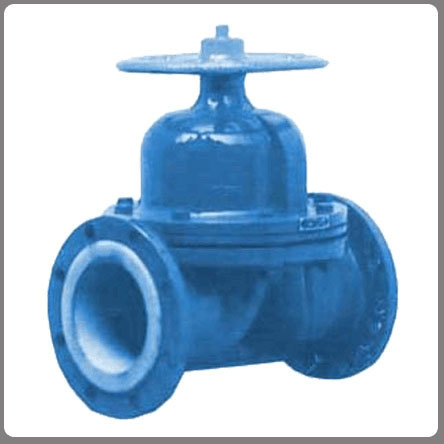
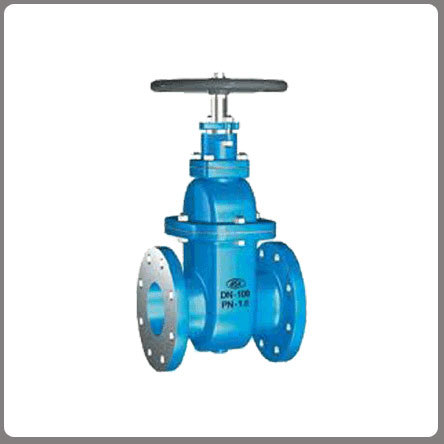
We are Manufacture of Cast Iron Diaphragm Valves(Double Flanged).
| NB | A | B | C | D | t | n | h | f | j | Operating pressure kg/cm2 |
| 25 | 127+1 | 90 | 85 | 115 | 16 | 4 | 14 | 2.5 | 100 | 14.0 |
| 40 | 159+1 | 138 | 110 | 150 | 16 | 4 | 18 | 2.5 | 120 | 12.25 |
| 50 | 190+1 | 160 | 125 | 165 | 18 | 4 | 18 | 2.5 | 140 | 12.25 |
| 65 | 216+1 | 180 | 145 | 185 | 18 | 4 | 18 | 2.5 | 165 | 10.50 |
| 80 | 254+1 | 210 | 160 | 200 | 21 | 4 | 19 | 3.0 | 203 | 10.50 |
| 100 | 305+1 | 260 | 180 | 220 | 22 | 8 | 19 | 3.0 | 254 | 10.50 |
| 150 | 406+1 | 362 | 240 | 285 | 23 | 8 | 23 | 4.0 | 355 | 8.75 |
- All dimensions are in mm
- The flanges of the valve shall be faced and drilled as per IS: 1538/IS:6392 or (party's requirements)
- The valve as per BS : 5156.
- Temperature range : 65o to 200oC
- Max.pressure 14 kg/Cm (g) -200Psig.
- Materials of diaphragm and body lining will be as per party's requirements.
- Mechanism is isolated from fluid.
- Hydrostatic test
- Body test : 1.5 time nominal pressure rating
- Seat test : 1 time nominal pressure rating
Superior Corrosion ProtectionEach C.I. diaphragm valve is finished with high-quality paint or coating to protect against corrosion, extending the lifespan of the valve in harsh chemical or slurry environments. Optional rubber lining enhances chemical resistance further, making it suitable for highly corrosive media.
Precision Flow ControlThe weir-type, diaphragm-actuated design ensures accurate flow control for both on-off and throttling service. The elastomeric diaphragm provides leak-proof shut-off performance (Class VI, bubble tight), which is crucial for hazardous or dirty fluids.
Versatile Application RangeDesigned for compatibility with various connection standards (IS, DIN, BS, ANSI), these valves are suitable for use in water treatment, acid transfer, and industrial slurry handling. Their manual operation via a handwheel allows easy maintenance and adjustment.
FAQs of C.I. Diaphragm Valve:
Q: How do you select the appropriate diaphragm material for a C.I. diaphragm valve?
A: The diaphragm materialneoprene, EPDM, Viton, or EPshould be chosen based on the fluid being handled and service conditions. Each material has its own chemical compatibility and temperature resistance, catering to specific applications such as acids, corrosive liquids, and slurries.
Q: What is the process for installing the valve in a pipeline system?
A: The valve can be mounted horizontally or vertically, utilizing either flanged or screwed ends as per the chosen connection standard. Proper alignment and secure fastening are essential, followed by leak and functional tests to ensure optimal performance.
Q: When is manual actuation preferred for diaphragm valves?
A: Manual actuation, using a handwheel, is ideal when frequent adjustments or direct operator control is necessary. It is commonly used in scenarios where process control does not require automation or rapid cycling, ensuring reliable operation with easy maintenance.
Q: Where are C.I. diaphragm valves typically used for optimal performance?
A: These valves are widely employed in water treatment facilities, chemical plants, and slurry handling systems. Their corrosion-resistant features and bubble-tight seal make them especially effective in environments with dirty, abrasive, or hazardous fluids.
Q: What benefits does the optional rubber lining provide?
A: The optional rubber lining significantly boosts chemical resistance, minimizing the risk of corrosion and extending the valves service life in aggressive media applications. This feature supports long-term reliability in industrial environments.
Q: How is leakage prevented in these valves during operation?
A: A Class VI bubble-tight seal is achieved via an elastomeric diaphragm, which completely isolates the process media from the stem, ensuring no leakage even during critical service conditions.
Q: What maintenance requirements should be considered for these valves?
A: Routine inspections of the diaphragm, handwheel mechanism, and lining (if present) are recommended. Easy dismantling enables quick replacements and ensures continued leak-free performance with minimal operational downtime.





 Send Inquiry
 Get Latest Price

